
Every Hat. Every Problem. Every Day.
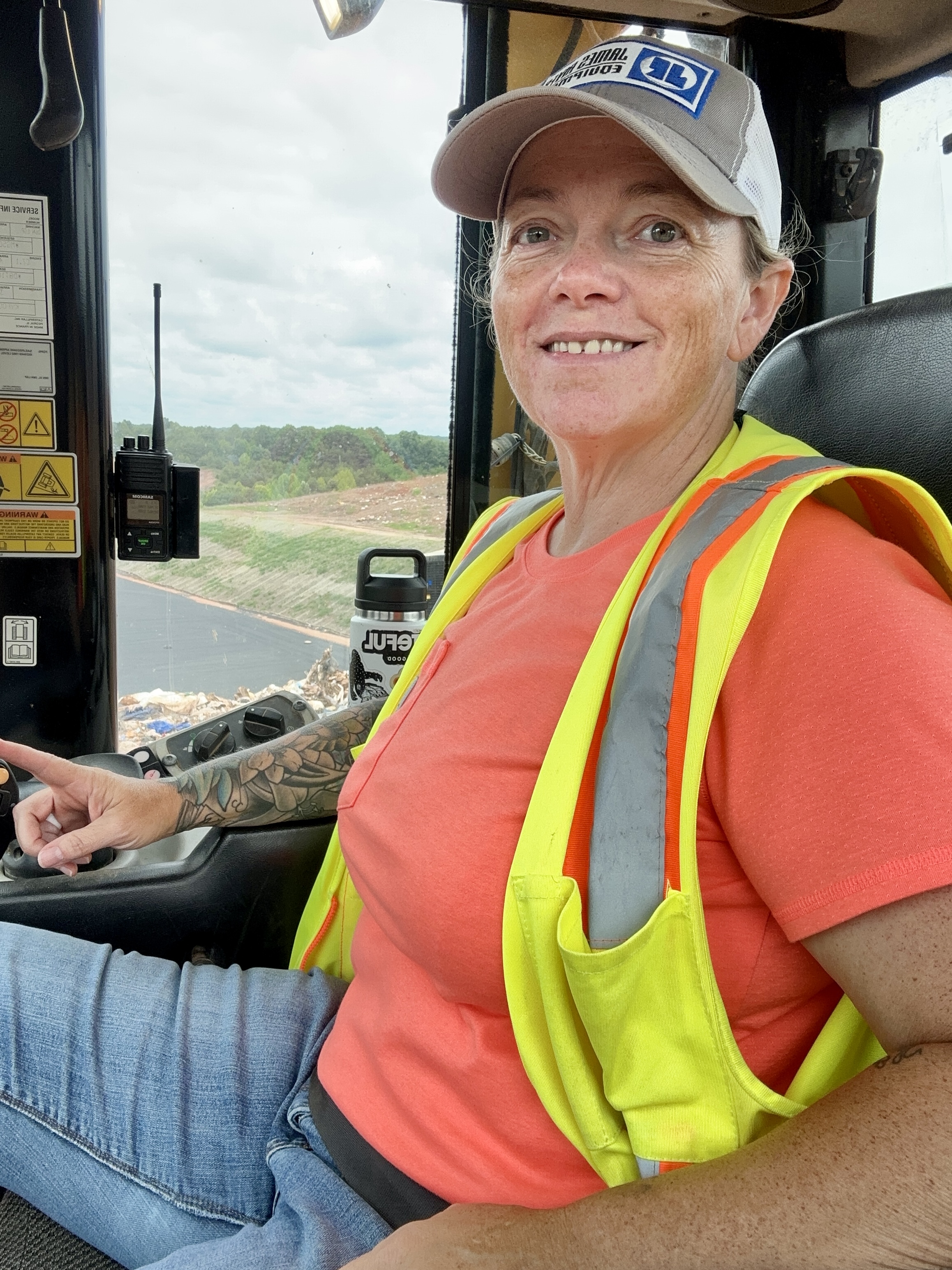

You ever wake up already tired before you’ve even opened your eyes?
Heart beating like you forgot something important. Mind already halfway through the day before your feet hit the floor.
Shop. Contractors. Two operators out. The haul truck making “that noise” again. The email you forgot to answer. The regulator call nobody wants to return. That thing that went sideways yesterday somehow becoming today’s emergency too.
They call it stress.
Out here? It’s what happens when one job quietly turns into five… and nobody ever says it out loud.
And the craziest part? I see it everywhere. Different sites. Different companies. Different logos. Same exhausted people wearing every hat trying to hold the operation together without letting anyone see how heavy it’s gotten.
That’s why people look exhausted before the shift even starts. And honestly? That’s also why some people get quiet when real help finally shows up. Because underneath all the toughness, sarcasm, and “I got it” responses… most of them are just tired.
Tired of carrying the phone everywhere. Tired of half-eating dinners while answering calls. Tired of mentally staying on-site long after they drove home. Tired of lying in bed replaying problems they don’t even have the manpower to fix tomorrow.
And maybe, for the first time in a long time, they can feel what it might be like to sit at the table with their family, finish a meal while it’s still hot, and not need a drink just to convince their nervous system the day is finally over.
And somewhere along the way, this stopped feeling temporary… and started feeling normal.
And if you work in waste, operations, trucking, maintenance, construction, utilities, honestly any blue-collar industry right now, you already know exactly what I’m talking about.
Because somewhere around week two, the job you were hired for disappears.
Not officially. Nobody sends an email. No meeting happens. No promotion magically appears with it.
It just… mutates.
You start out clean: Mechanic. Operator. Maintenance manager. Operations specialist. Environmental tech.
Simple. Logical. Almost adorable in hindsight.
Then week one hits.
Now you’re covering the working face while answering maintenance questions and jumping into the compactor because somebody called out again. You’re helping a new driver back onto the tipper, handling a “real quick” safety issue, and trying to remember if you actually ate lunch or just drank caffeine aggressively enough to survive.
You roll with it because that’s the job… right?
Then week two shows up like a raccoon on espresso.
Now suddenly you’re:
Operations Manager
Equipment Operator
Environmental compliance “point person”
HR
Safety coordinator
Public relations
Community outreach
Incident response
Therapist
Amateur hydrologist
Weather analyst
The one who trains the new guy
The one who gets the DEQ call
The one everybody calls when something catches fire, sometimes literally
And nobody officially told you. It just happened.
There’s a moment where something shifts.
Not in a meeting. Not in a job description. Just quietly.
You stop asking... “Is this my responsibility?”
And start saying... “I’ll take care of it.”
Because if you don’t, it doesn’t get handled. That’s how it starts. Not with a promotion, but with a gap… and you stepping into it. And let’s call this what it really is...
This industry doesn’t hand you multiple hats. It backs a dump truck up to your soul and unloads the entire damn closet, then hands you a radio and says, “Figure it out.”
The crazy part is the people carrying the most are usually the least dramatic about it. They’re not complaining. They’re adapting.
That’s why leadership misses it... always.
Because the most overloaded people are often the calmest ones in the room. They’ve normalized impossible.
Somewhere along the way, we started dressing this up with pretty corporate phrases:
“Stepping up”
“Being a team player”
“Leadership potential”
And sometimes that’s true.
But a lot of times? It’s chronic understaffing wearing a motivational poster as a disguise.
There’s a massive difference between growing into leadership… and being stretched so thin you can’t do anything well anymore.
That’s where it gets dangerous.
Because eventually the overload becomes your identity. You become the fixer. The dependable one. The person who never says no. The human duct tape holding the operation together.
And yeah, there’s pride in that. There should be.
This industry runs because people care.
But there’s a line, and most people don’t realize they crossed it until they’re sitting in their truck one morning staring at the steering wheel wondering why they’re exhausted before the day even starts.
Here’s what actually happens when organizations run this way long enough:
Good people burn out. Strong operators get pulled off equipment and never go back. Maintenance stops being preventative and becomes a nonstop reaction to whatever failed today. Compliance turns into survival mode disguised as consent orders and corrective action plans. Safety starts slipping, not because people don’t care, but because overloaded people miss things, get rushed, get distracted, and eventually hit a point where there’s simply too much in motion for one person to carry safely.
Morale tanks. Turnover climbs. The good employees stop speaking up because they’re too exhausted to explain what’s wrong anymore.
And the people carrying the heaviest load? They’re usually the same one's management praises for “handling it well”, the dependable ones, the fixers, the people who always figure it out no matter how overloaded they become.
That’s the trap.
The better you are at carrying dysfunction, the more dysfunction gets handed to you.
Eventually people leave thinking... “Maybe it’s better somewhere else.”
Then they land at another site.
Same chaos. Different logo.
Because this isn’t just a company problem anymore. It’s becoming an industry operating model.
Some leaders look at overloaded employees and think... “Look how much they can handle.”
The good leaders see the warning signs:
The shorter fuse
The missed details
The constant exhaustion
The disengagement
The “I got it” that doesn’t sound the same anymore
Because real leadership is not built on how much one person can carry. It’s built on how little they have to.
You cannot run efficient operations on exhausted people doing five jobs. You cannot build strong culture on permanent overload. And you definitely cannot expect long-term performance from short-term patchwork held together by the same few dependable people everyone quietly leans on until they burn out.
At some point we need to ask:
What is this role actually responsible for?
What can one person realistically manage well?
Where are we setting people up to fail?
When did exhaustion become a qualification?
Because capability should not become punishment.
Just because someone CAN carry everything… doesn’t mean they should.
And if your best people are quietly doing the jobs of three departments while surviving on caffeine, adrenaline, and “I’ll take care of it”, that’s not operational strength. That’s organizational dependence disguised as dedication, it's a warning sign with a hard hat on.
Because eventually, even the people who never drop the ball stop picking it up.


Comments